Practical information Zimbabwe
Planning a trip to Zimbabwe requires some practical considerations that our team based in Harare knows well. On the administrative side, visas are most often obtained upon arrival at Harare or Victoria Falls airport, payable in US dollars, and the KAZA UniVisa allows travel between Zimbabwe and Zambia, which is convenient if you combine both sides of the falls. Health-wise, malaria is present in the Zambezi Valley and Hwange during the rainy season, preventive treatment is recommended, and routine vaccinations should be up to date. Yellow fever is only required if you are arriving from a high-risk country. The country uses the US dollar as its de facto currency, which simplifies budgeting: expect USD 200 to 400 per day and per person for a trip in mid-range to upper-category lodges, including transfers and activities, excluding international flights. ATMs often don't work well, so bring cash in small denominations. For transport, domestic flights between Harare, Victoria Falls and Bulawayo remain the fastest option, supplemented by private transfers or charter flights to Mana Pools. The climate is divided into dry season from April to October, ideal for safaris, and rainy season from November to March, greener and more photogenic but with some tracks sometimes closed. Aurélia and our team in Harare also guide you on local customs, everyday safety and usage in the parks.
Plan your trip by theme
Explore our practical guides organized by category to quickly find the information you need.
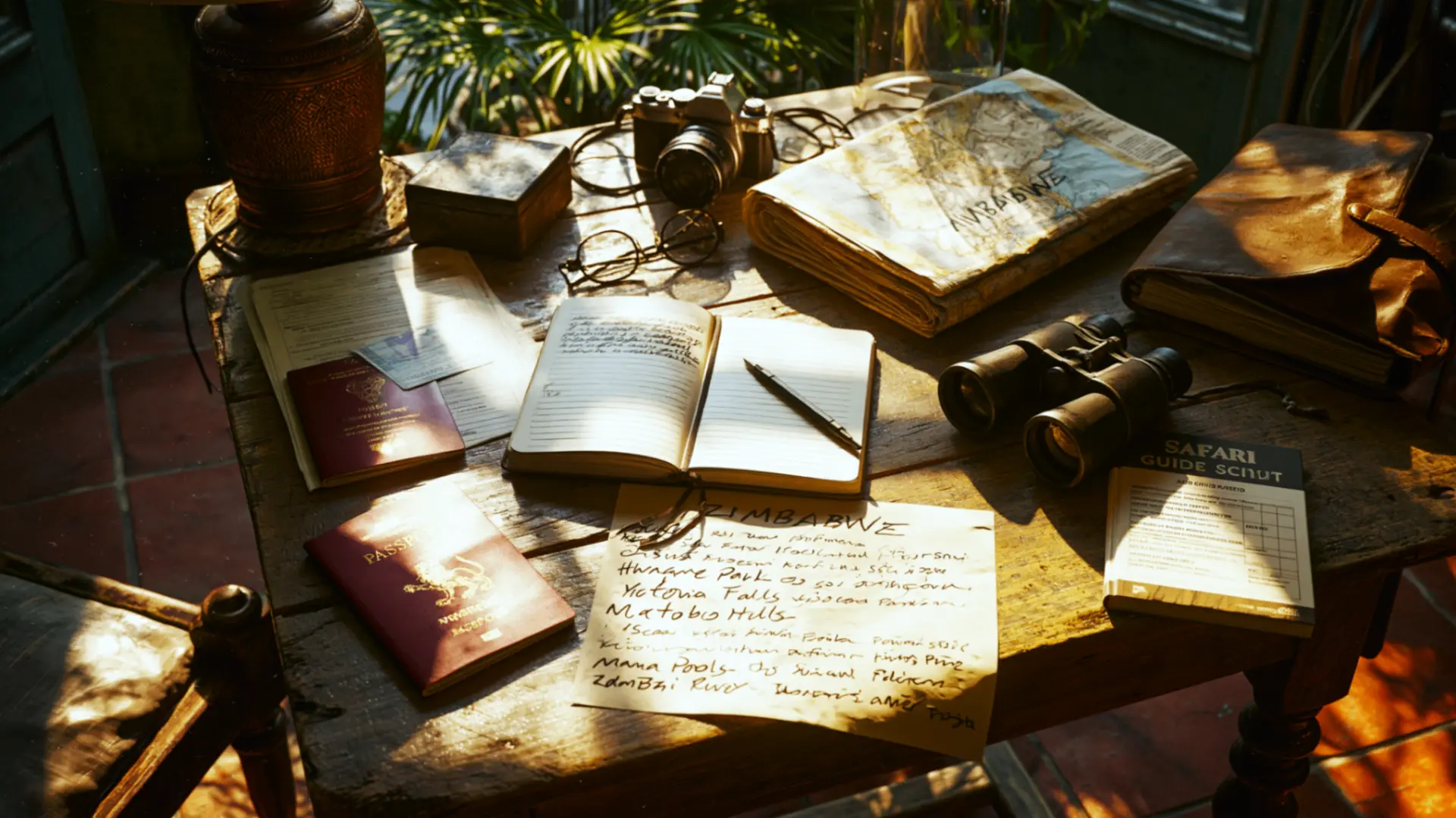
Before You Go
Visa on arrival or KAZA UniVisa, valid passport for 6 months, recommended vaccinations, insurance and formalities to arrange in advance for Zimbabwe.
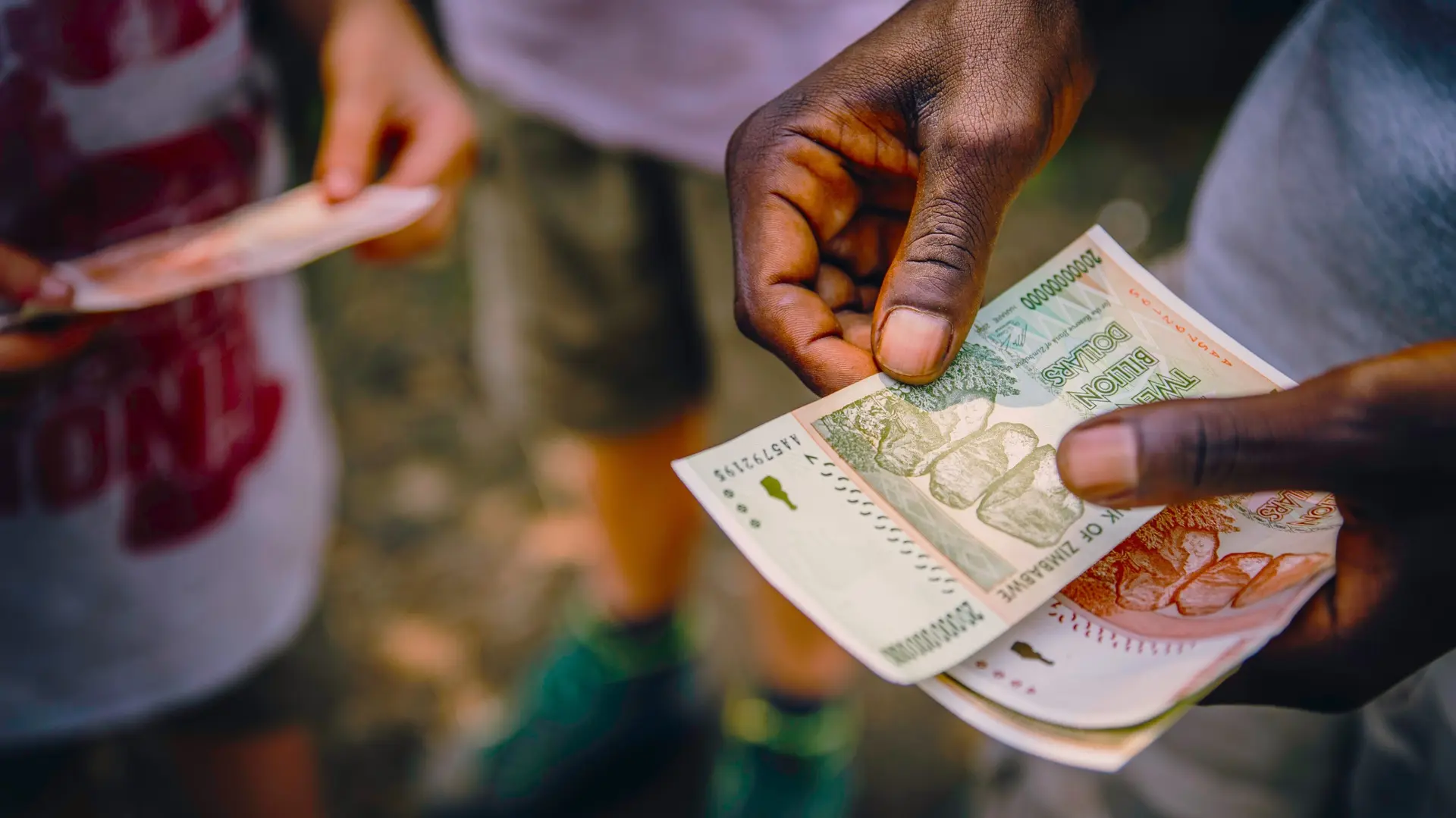
Budget
US Dollar in practice, budget range of 200 to 400 USD per day per person, cash in small denominations, customary tips.
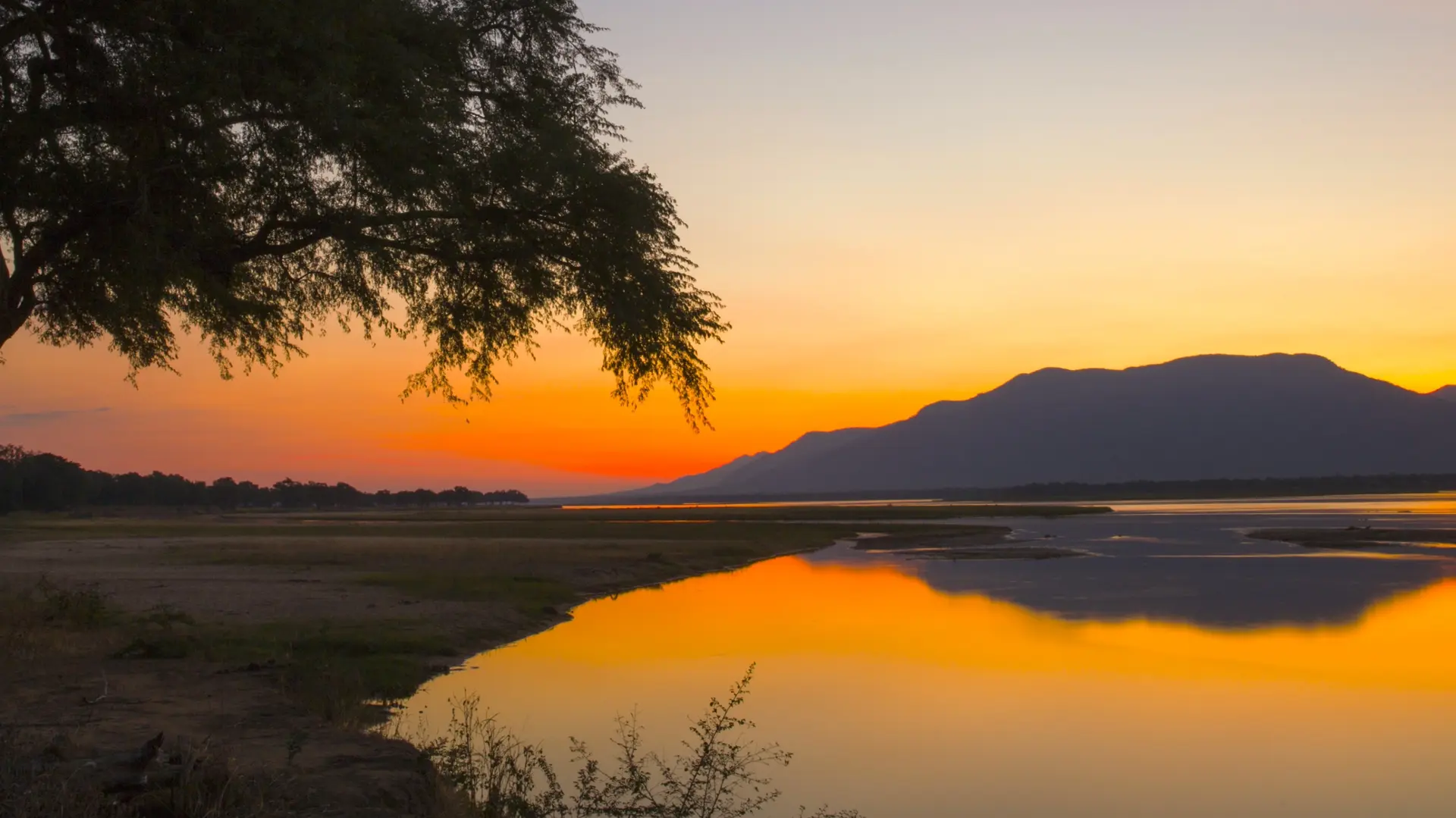
Climate Season
Dry season from April to October, rainy season from November to March, temperatures by region and best months according to parks.
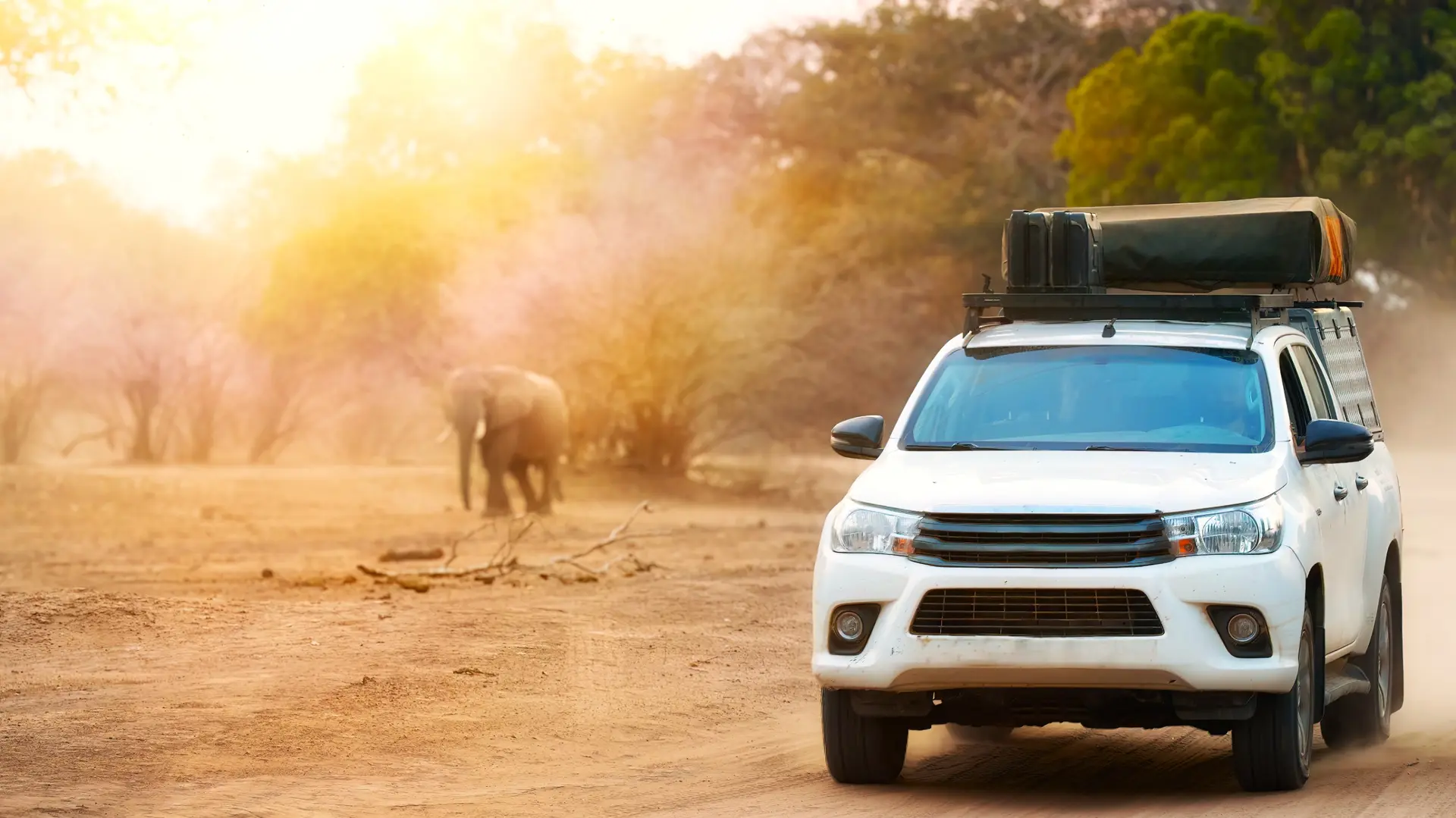
Transports
Domestic flights Harare, Victoria Falls, Bulawayo, private 4x4 transfers, charter flights to Mana Pools, actual road conditions.
Culture
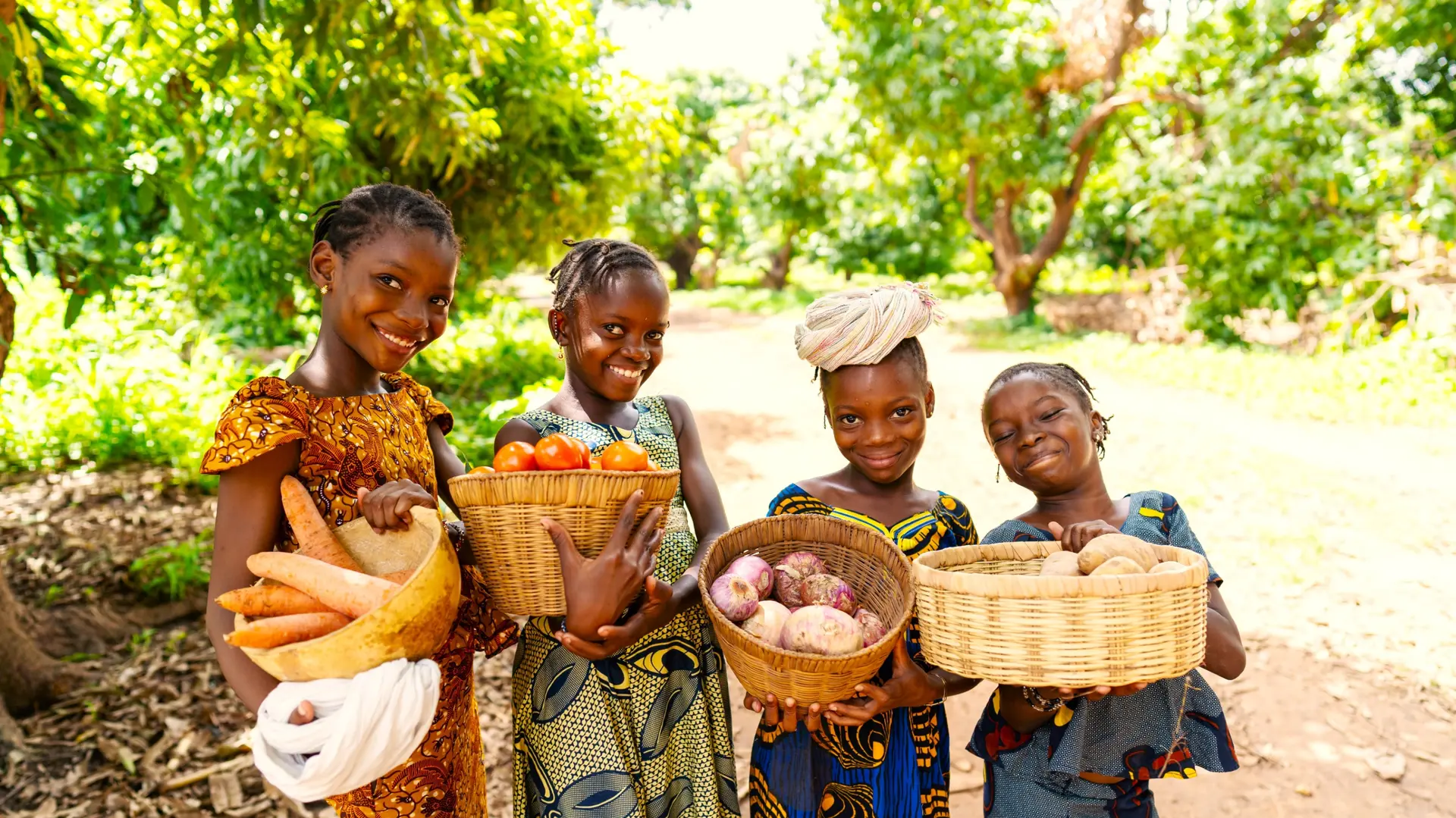
Shona and Ndébélé cultures, English greetings, sober dress codes in the city, expected behaviour in parks and villages.
Useful Tips
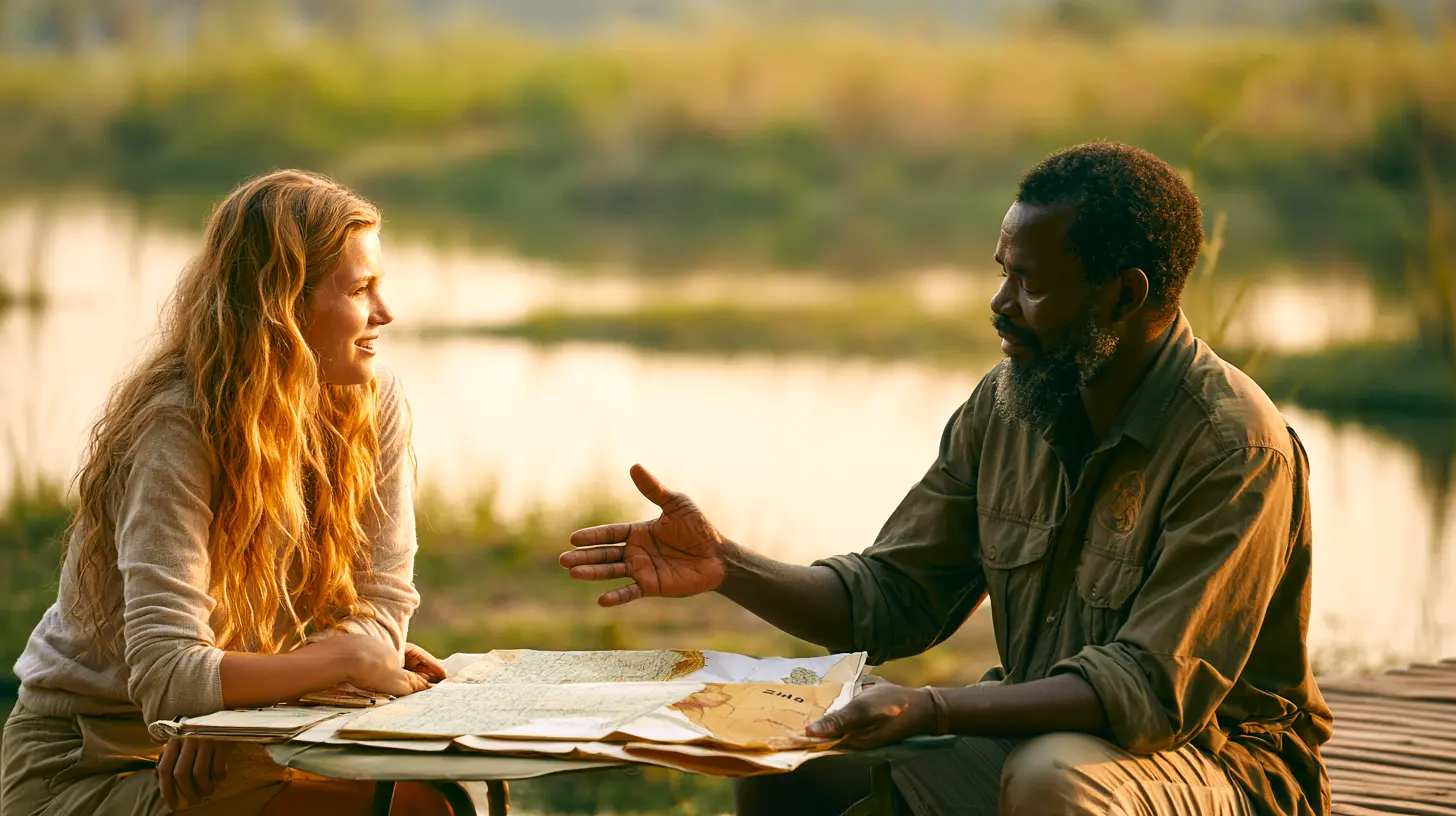
Good overall security, bottled water, Type G outlets, uneven 4G connectivity, daily advice from our Harare team.
All practical guides
Search and filter among 0 articles
No articles match your criteria.
Frequently asked questions
The answers to the most frequently asked questions from our travellers.
Yes, a visa is necessary for French, Belgian, Swiss and Canadian nationals. It is most easily obtained on arrival at Harare international airport, at Victoria Falls airport or at the Beitbridge border post, for 30 USD for a single entry and 45 USD for a double entry. The KAZA UniVisa, at 50 USD, allows round trips between Zimbabwe and Zambia for 30 days, which is convenient for combining both sides of Victoria Falls. Your passport must be valid for at least 6 months after your return date and have two blank facing pages. Payment must be made in US dollars, in cash and in small denominations. An e-visa option exists but remains less reliable than the visa on arrival.
No vaccination is mandatory if you arrive directly from Europe. Yellow fever is only required for travelers from risk countries. We recommend being up to date with universal vaccines: DTP, hepatitis A and B, typhoid, and rabies if you plan extended stays in rural areas. Malaria is present in the Zambezi Valley, at Mana Pools, in Hwange during the rainy season and around Lake Kariba. Preventive treatment is advised, to be confirmed with your doctor or an international vaccination center. Also consider an effective insect repellent for your skin and long clothing for evenings at the lodge. Harare highlands and the Eastern Highlands are malaria-free zones.
Budget between $200 and $400 USD per day and per person excluding international flights, for an organized trip in mid-range to upscale lodges, with private transfers, park entries and activities included. Top-tier safari lodges at Mana Pools or Hwange can reach $700 USD per person per night on full board with game drives. Main expenses are accommodation, domestic flights (approximately $200 USD for Harare-Victoria Falls route), park entries (between $15 and $30 USD per day) and activities at Victoria Falls. Plan for $200 to $300 USD in cash for tips, beverages and local purchases. ATMs are unreliable, it's better to arrive with your budget in cash.
The dry season, from May to October, remains the most effective period for safaris: vegetation clears, animals concentrate around water points, and tracks are passable. July and August are the coolest months, with nights around 5°C at Hwange and daytime temperatures of 22°C. September and October warm up significantly, reaching up to 38°C in October at Mana Pools, with particularly dense wildlife at water points. Victoria Falls reach their maximum flow between March and May, just after the rainy season. From November to March, the country turns green, migratory birds arrive, births in herds are abundant, but some tracks close, notably at Mana Pools.
Domestic flights are the quickest solution to connect Harare, Victoria Falls and Bulawayo, with several daily connections via Fastjet and Airlink, around 200 USD per journey. To reach Mana Pools, we organize charter flights from Harare to Mana Main airstrip, which we recommend over the 4x4 road route that requires a full day. Private transfers in air-conditioned vehicles remain comfortable on the Harare-Great Zimbabwe and Bulawayo-Hwange routes, with roads in good condition between major cities. Within the parks, game drives are conducted in open 4x4s driven by lodge guides. Self-driving is possible but not recommended outside tourist areas.
Yes, as part of an organized trip. Zimbabwe is among the Southern African countries with a satisfactory safety level for travelers, with petty crime concentrated in certain neighborhoods of Harare and Bulawayo, away from tourist routes. National parks, Victoria Falls, and the Eastern Highlands present no particular concerns. Standard precautions apply: avoid walking at night in the city, don't display valuable items, keep your passport in the lodge safe. Police checkpoints exist on the roads and proceed without incident for tourist vehicles. Our team in Harare remains available 24/7 during your trip for any questions or unexpected situations.
Ready to travel to in Zimbabwe?
Discover our tailor-made itineraries, designed by our local team. Each route adapts to your pace, your preferences and your travel season.
See our toursWe use cookies to improve your experience and measure our site's audience. You can choose what you accept. Learn more.