Complete Zimbabwe Guide
Zimbabwe fits neatly on a mental map: to the northwest, the roar of Victoria Falls and Lake Kariba; to the west, the Hwange savannas where elephant herds number in the thousands; to the central east, the lush and cool Eastern Highlands touching the Mozambican border; to the south, the ruins of Great Zimbabwe, the 14th-century Shona capital whose granite walls still stand without mortar.
Our team based in Harare knows the country's particularities well: a reliable road network between major cities, national parks that see far fewer visitors than those in East Africa, and a community of naturalist guides among the most skilled on the continent. The country organizes easily as a loop or a traverse, often combined with the Okavango Delta on the Botswana side or Victoria Falls on the Zambian side.
For wildlife, Mana Pools on the Zambezi remains one of the rare areas in southern Africa where you can walk on foot in the presence of elephants and lions, accompanied by a professional guide. To build your itinerary, plan for a minimum of 10 to 14 days if you want to combine Hwange, Mana Pools, and the Falls, and aim for the dry season from April to October for wildlife viewing.
The regions of Zimbabwe
Each region has its own personality: climate, landscapes, pace of life and ways of traveling. Our local team helps you choose the combination that suits you.
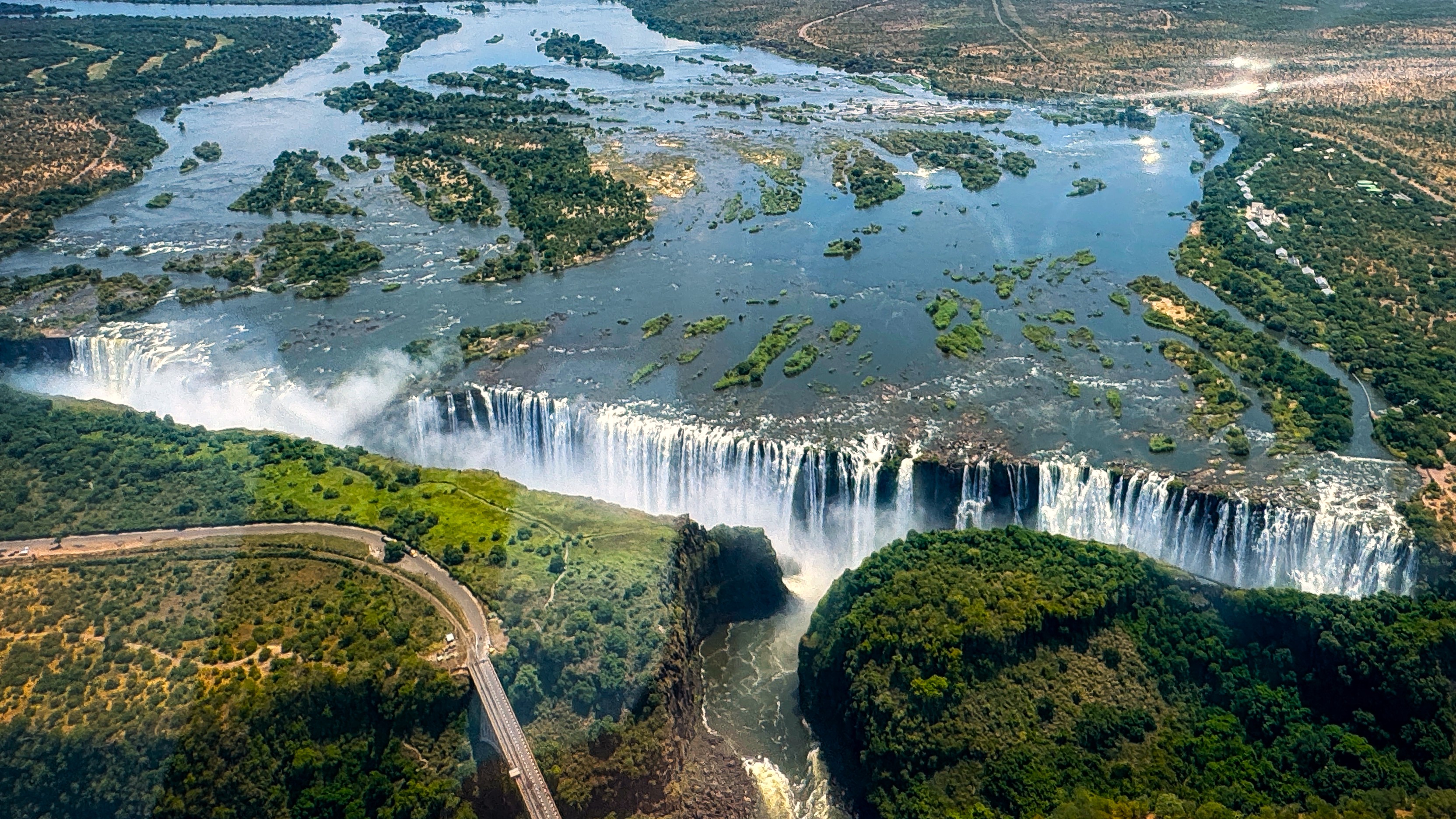
Victoria Falls
At the far northwest, the town of Victoria Falls lives to the constant roar of the falls, standing 108 metres high and 1,700 metres wide. Water flow varies significantly: at its peak in April-May after the rainy season, more modest but photogenic between September and November. On the Zimbabwean side, the trail runs along the entire width of the falls, offering more viewpoints than the Zambian bank. The town also serves as a base for rafting in the Zambezi Gorge, helicopter flights and sunset cruises upstream of the falls. Plan for two nights on site to properly explore the area and combine with a day safari at Zambezi National Park, just downstream.
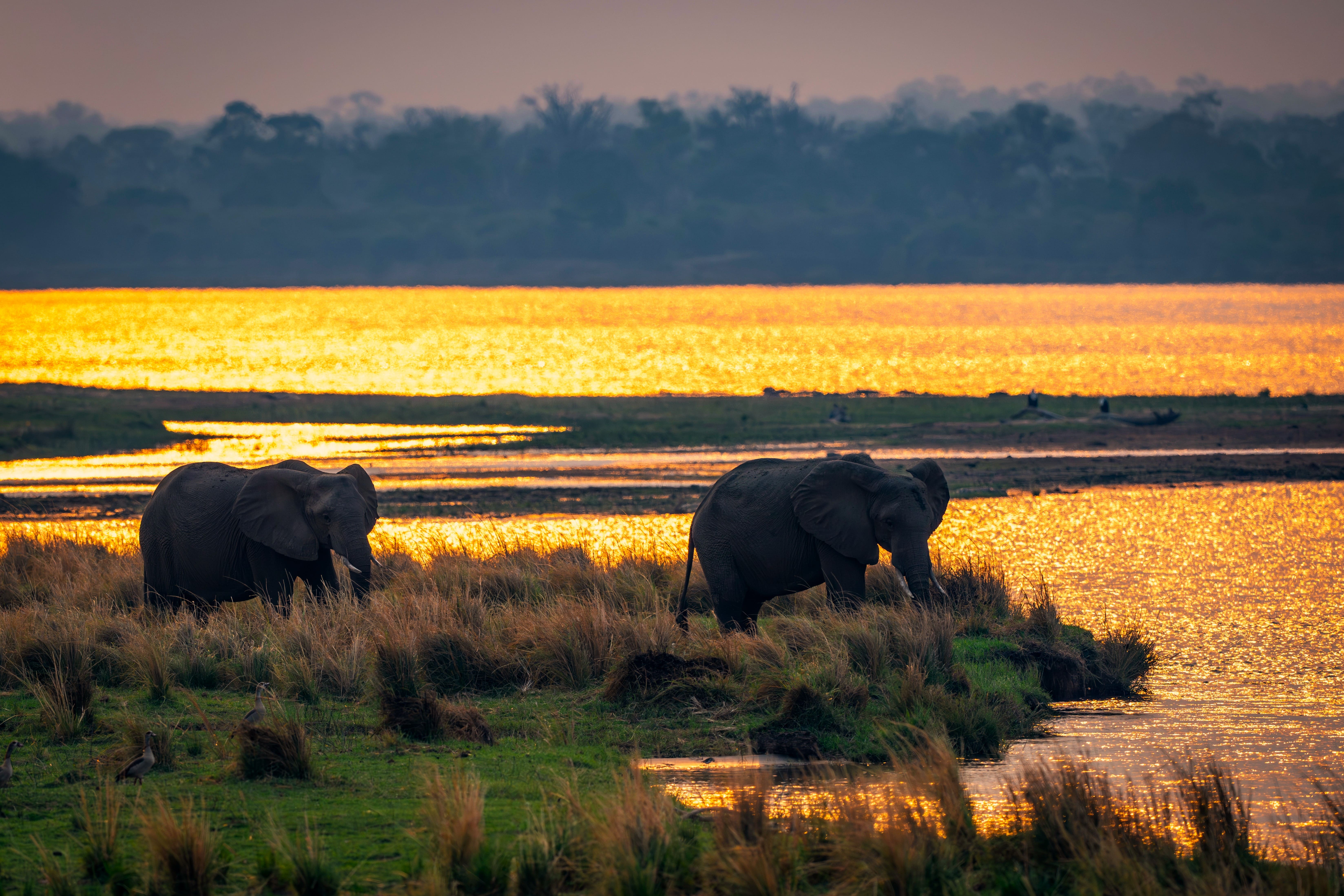
Hwange
Zimbabwe's largest national park at 14,600 km², Hwange stretches across the edge of the Kalahari Desert, 2 hours' drive south of Victoria Falls. The park is primarily known for its elephants: the population exceeds 40,000 individuals, concentrated around water points pumped during the dry season. Lodges in the Sinamatella and Main Camp areas provide access to viewing platforms where you can observe processions of elephants, buffalo and lions sometimes for hours on end. The dry season, from July to October, remains the most productive time for wildlife viewing. Temperatures drop to 5°C in July, so bring fleece layers for early morning game drives.
Mana Pools
UNESCO-listed, Mana Pools borders the Zambezi River on the northern frontier with Zambia. The forests of large acacias and fig trees create a distinctive light, highly sought after by photographers. It is one of the rare parks in Southern Africa where walking safaris are permitted, guided by certified professional guides. You will encounter elephants, hippopotamuses, African wild dogs and the rare nyala antelope. The park closes during the rainy season, from December to April, due to impassable tracks. Access is from Harare by charter flight to Mana Main airstrip, or by 4x4 over a demanding full day's drive.
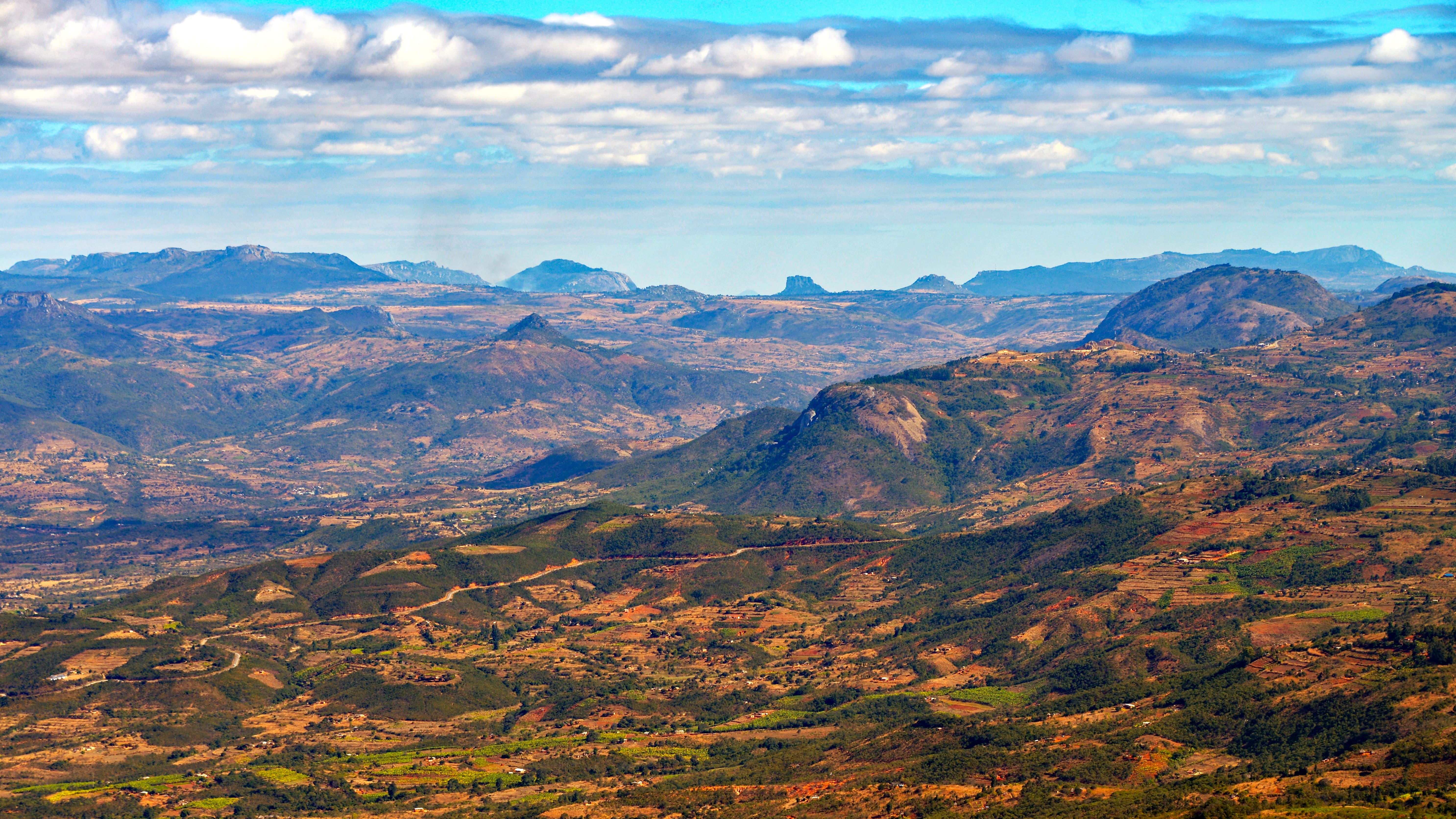
Eastern Highlands
In the east, along the Mozambican border, the Nyanga, Bvumba and Chimanimani massifs culminate at 2,592 metres at Mount Nyangani. It's another Zimbabwe: high-altitude forests, tea plantations, waterfalls, marked hiking trails. Temperatures remain cool year-round, between 10 and 22°C, and winter nights can freeze. The region lends itself to 3 or 4 days of trekking, accommodation in family lodges in the villages of Juliasdale and Vumba. It's also a good respite between two safaris, 4 hours' drive from Harare.
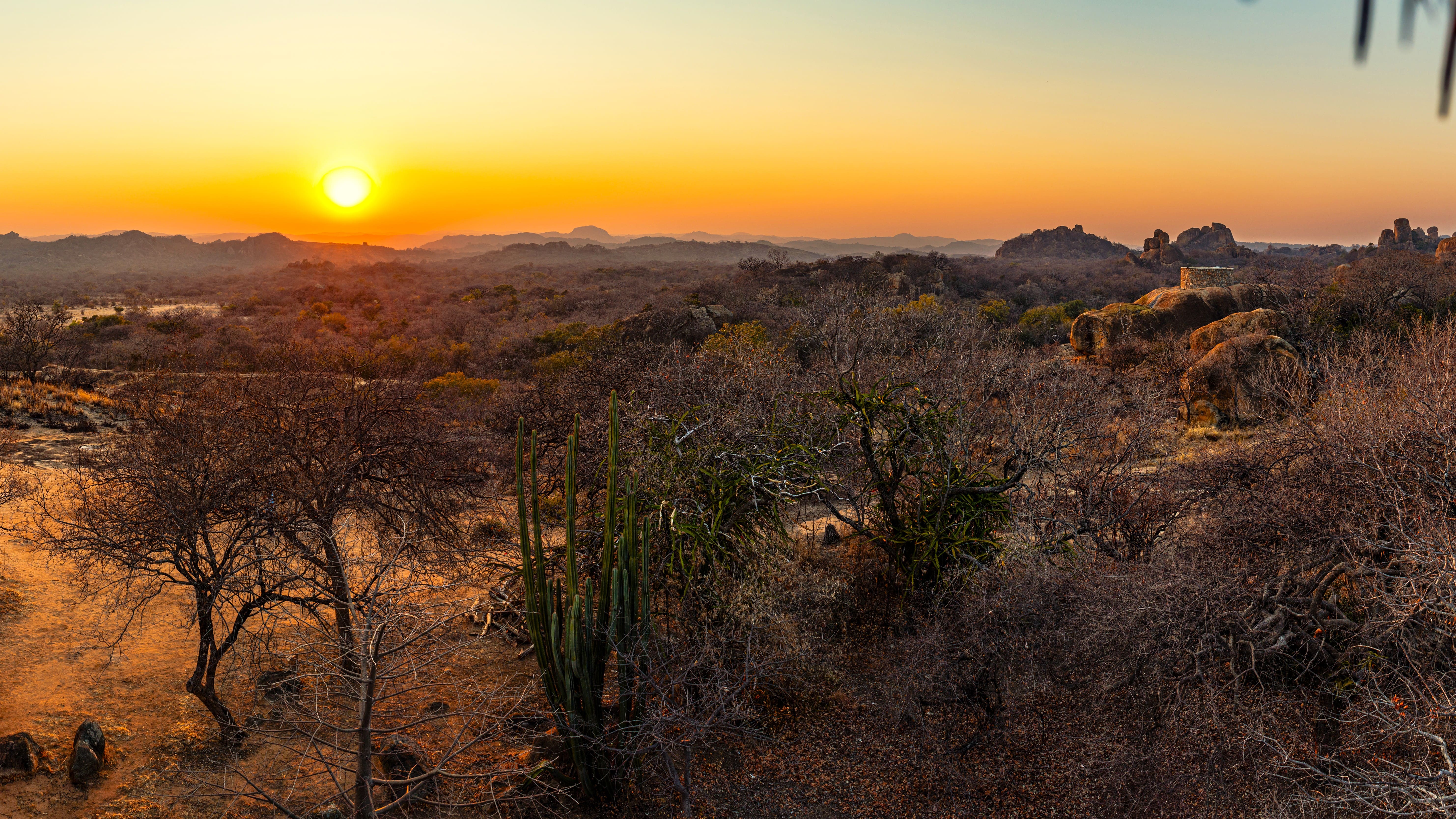
Matobo and Bulawayo
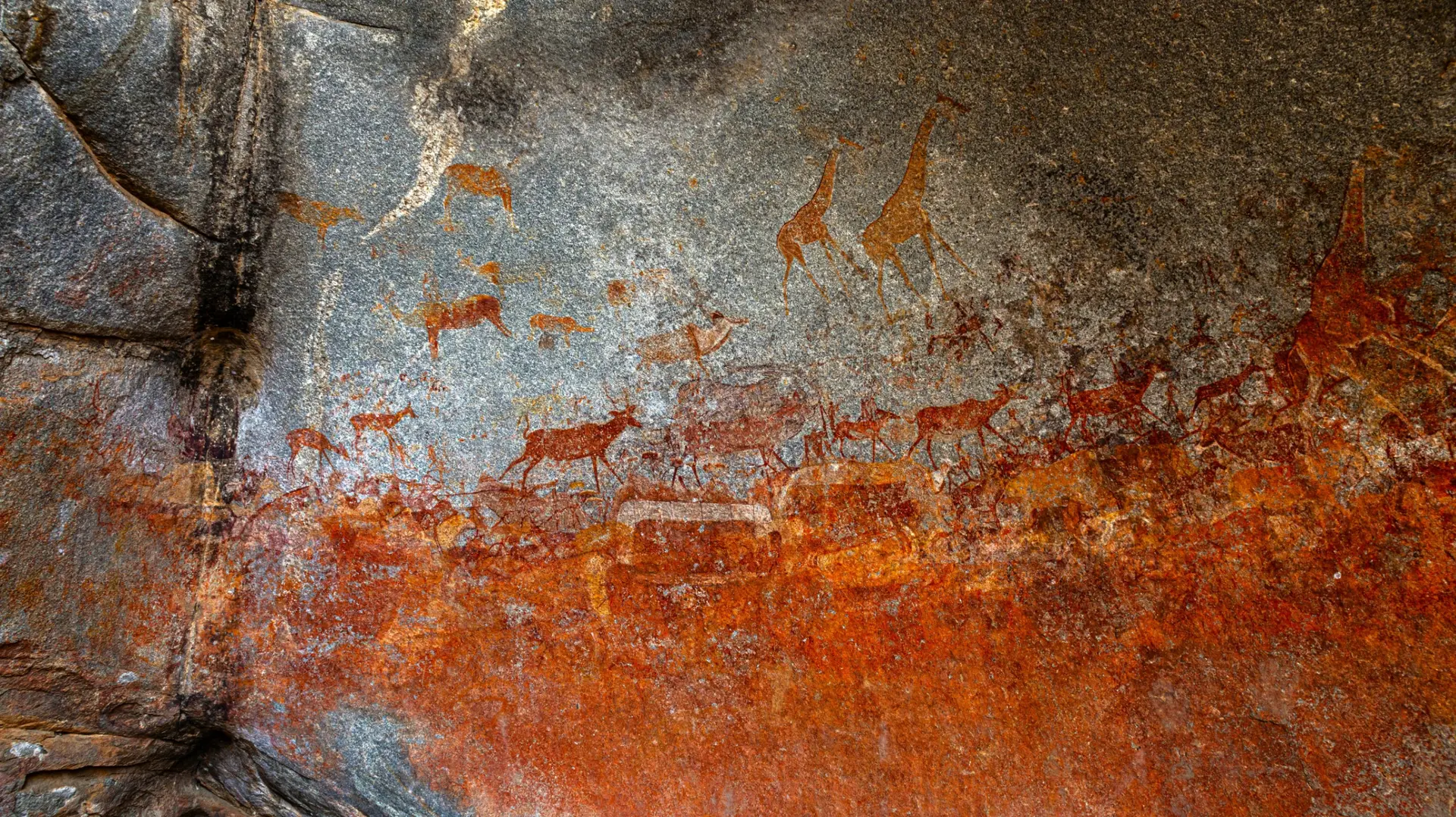
In the southwest, Bulawayo is the country's second city and the Ndebele cultural capital, featuring preserved colonial architecture and museums dedicated to southern African history. 35 km to the south, Matobo National Park showcases granite kopjes sculpted by erosion, San rock paintings dating back 13,000 years, and one of the continent's highest concentrations of white and black rhinoceros. Tracking rhinoceros on foot with a ranger is a signature activity. Plan for two nights in the region and combine with a visit to the Khami ruins, the former capital of the Torwa kingdom, 22 km from Bulawayo.
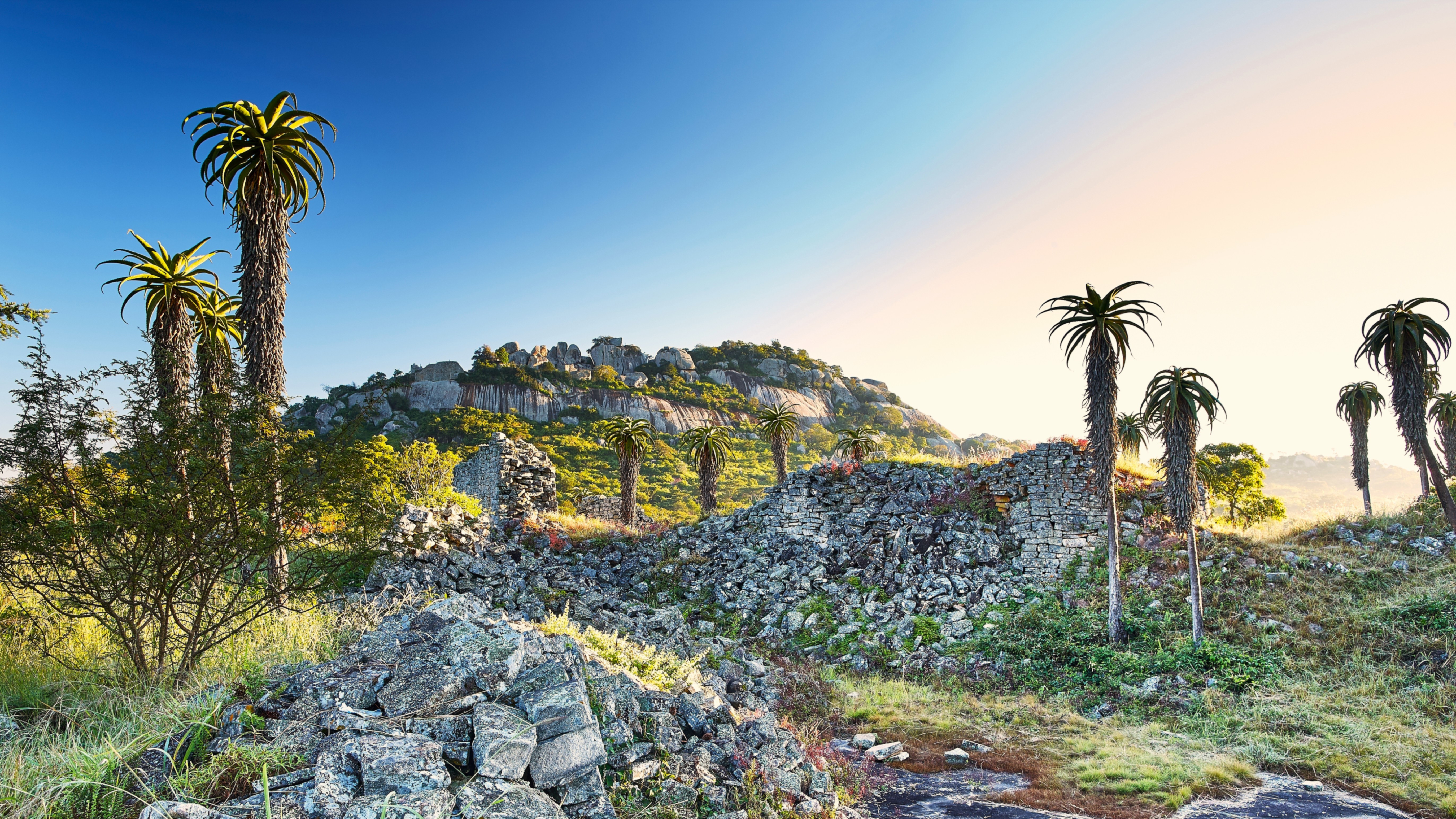
Great Zimbabwe
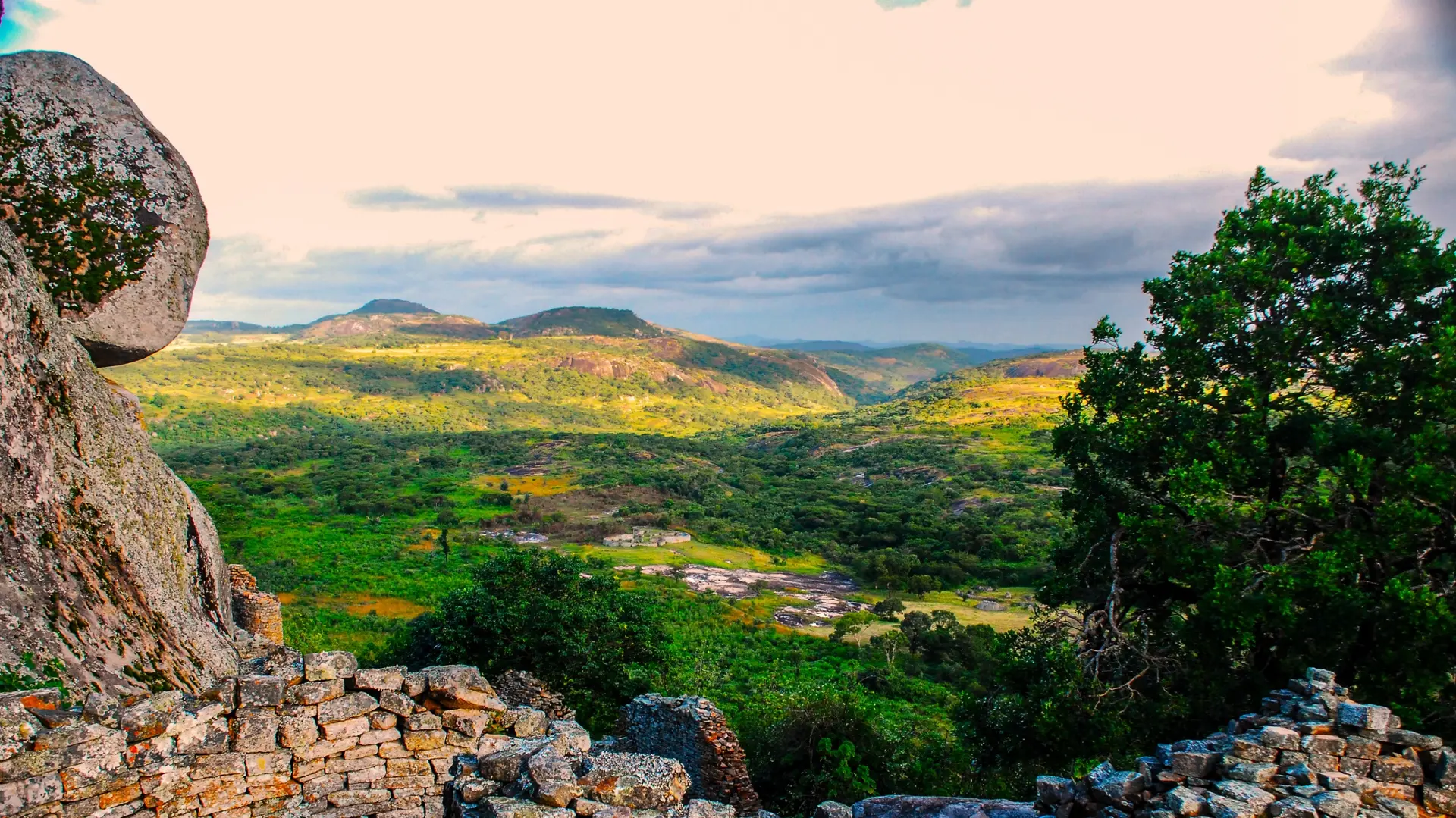
In the south of the country, near the city of Masvingo, the ruins of Great Zimbabwe form the largest dry stone complex in sub-Saharan Africa. Capital of a Shona kingdom that controlled gold trade between the Limpopo and the Swahili coast from the 11th to the 15th century, the site includes the Great Enclosure with its 11-metre conical tower and the Royal Hill perched on a kopje. It takes 3 to 4 hours to properly explore the entire site with a local guide. The region can be visited in a day trip from Bulawayo or as a stopover between Harare and the south, combined with an overnight stay at the nearby Lake Mutirikwi.
Explore by theme
Unique experiences tailored to every traveler.
Culture & Heritage
Temples, musées, sites historiques
Nature & Landscapes
Parcs nationaux, montagnes, forêts
Sea & Beaches
Littoral, îles, sports nautiques
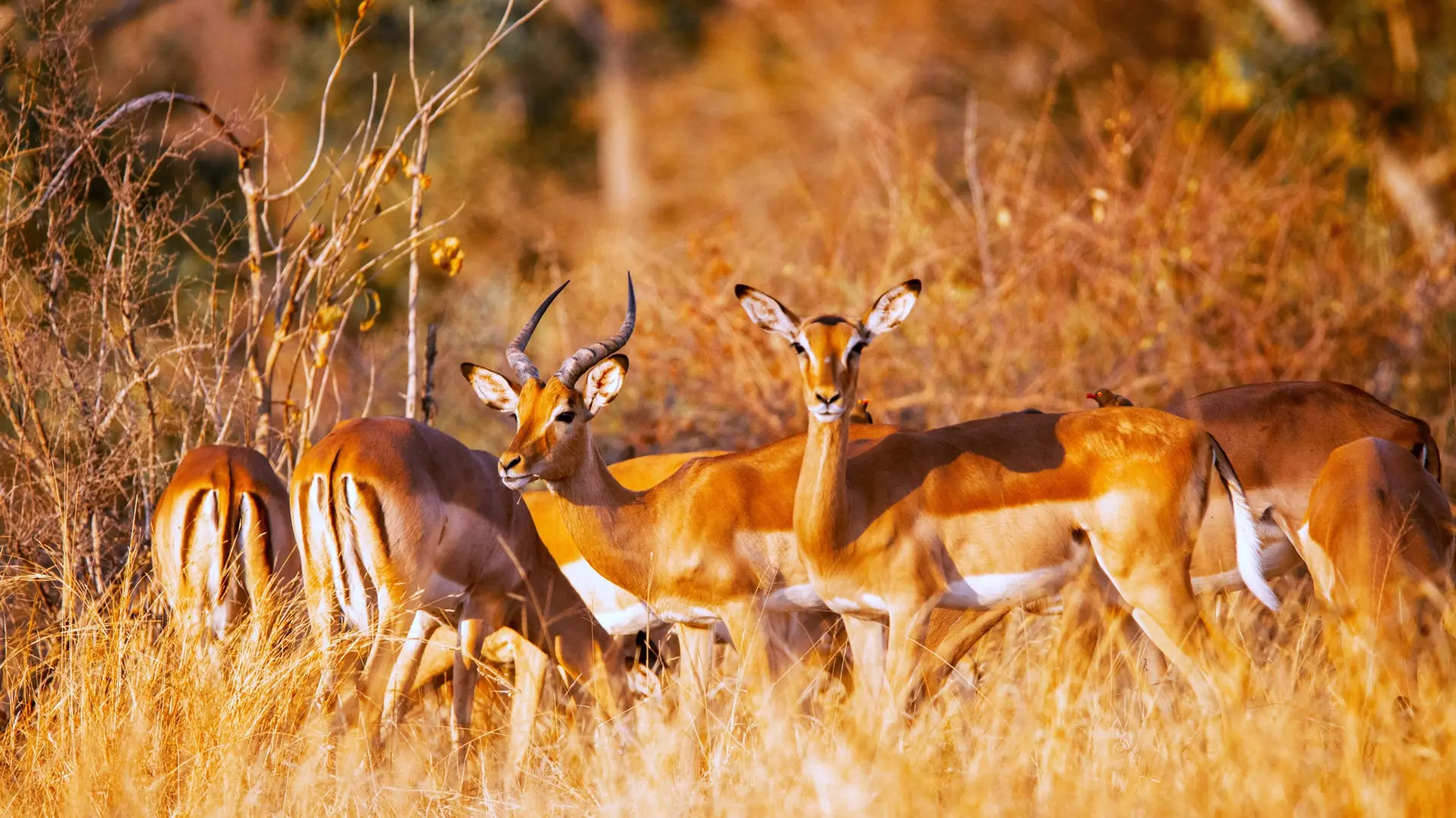
Wildlife & Biodiversity
Observation animale, sanctuaires, réserves
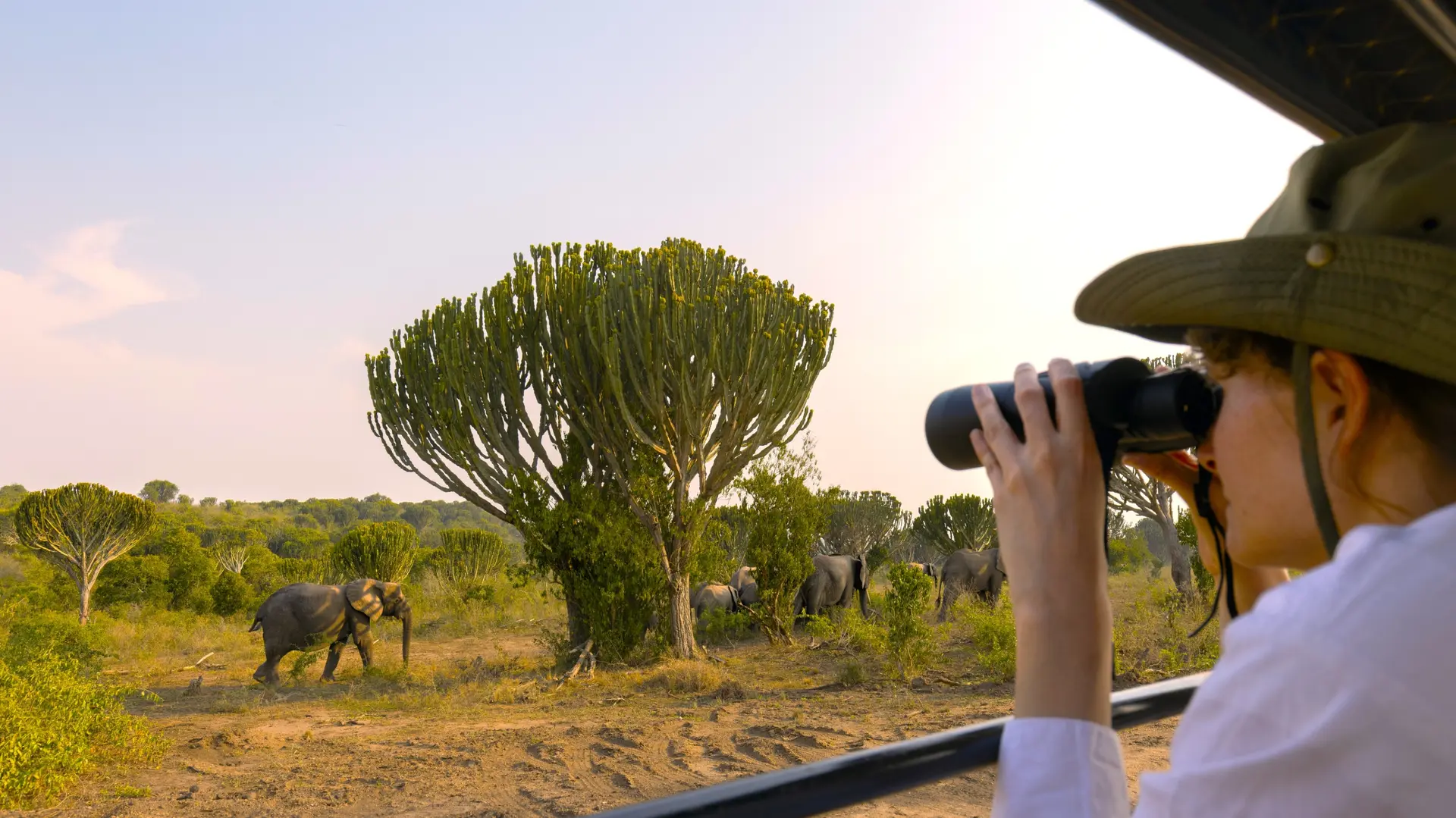
Activities & Adventure
Trek, kayak, escalade, sports outdoor

Gastronomy
Cuisine locale, marchés, cours de cuisine
We use cookies to improve your experience and measure our site's audience. You can choose what you accept. Learn more.